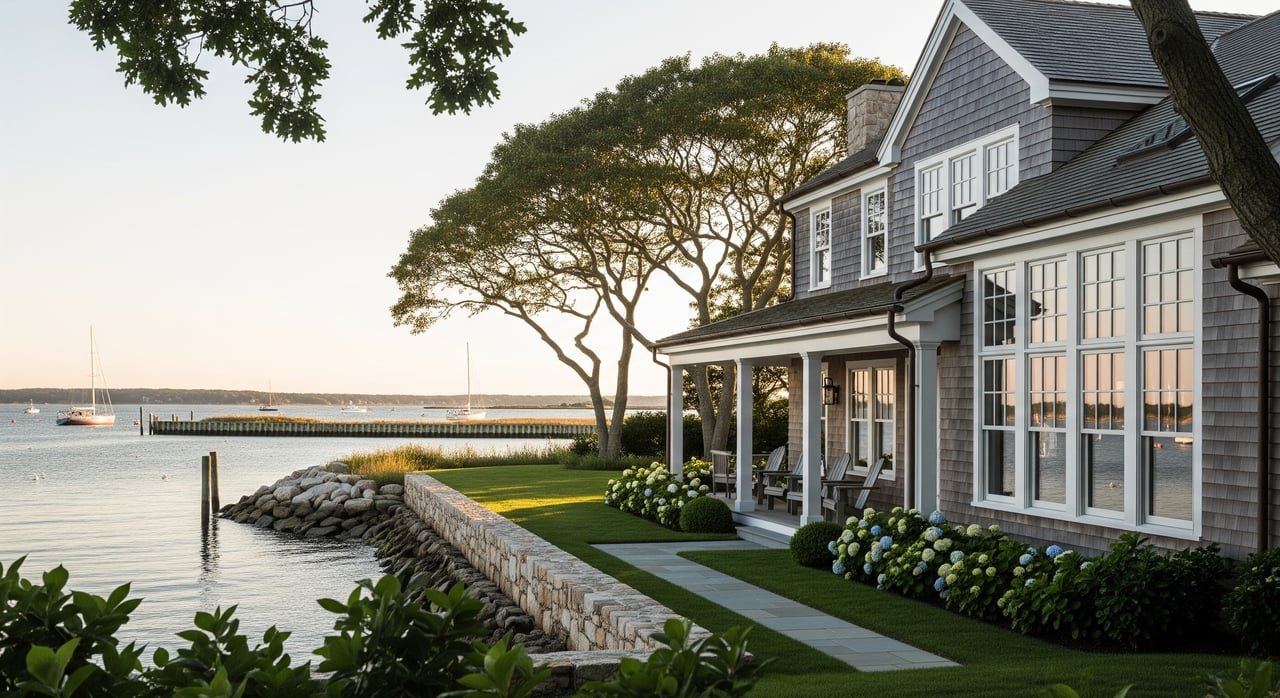
Thinking about selling in Sag Harbor and wondering when your listing will get the most attention? You are not alone. Timing affects exposure, days on market, and how smoothly you get to the closing table. In this guide, you will learn how Sag Harbor’s unique seasonality, buyer mix, and local rules shape the best listing windows, plus a practical prep timeline and checklist to hit the market with confidence. Let’s dive in.
Best time to list in Sag Harbor
Quick answer: Late spring through early summer typically delivers the strongest buyer activity in Sag Harbor. Listing between March and June often aligns offers and closings with the summer market, when both second‑home and year‑round buyers are most active. If your goal is maximum exposure and a top‑of‑market result, this is usually your best shot.
That said, your optimal window depends on your property and priorities. If you prefer less competition, a winter listing can work, though you should expect fewer showings and a longer timeline. High‑end and waterfront homes are more idiosyncratic, yet many still aim for spring to benefit from prime visibility and curb appeal.
Seasonality in Sag Harbor
Late winter to early spring
Savvy buyers start shopping as early as late winter. Inventory often rises as sellers prepare for the spring market. Listing now can capture second‑home buyers who want to close in time to enjoy summer.
Late spring to early summer
This is the peak window for showings and activity. Outdoor spaces and landscaping look their best and lifestyle features resonate. Many sales occur during this period because buyers want usage during the summer season.
Late summer to early fall
Activity tends to taper after Labor Day. Serious buyers remain in the market, and motivated sellers can still find success. Hurricane season runs June through November, which can temper late summer demand in some years and lengthen inspections or repairs.
Winter
Winter brings the lowest activity and thinner inventory. If you prioritize less competition and can be patient, a winter list can make sense. Expect a smaller buyer pool and longer days on market compared with spring.
Buyer mix and motivations
- Second‑home and seasonal buyers often want to close in spring or early summer to use the property that season.
- Year‑round buyers and relocations tend to consider school calendars and job start dates, favoring late spring or late summer closings.
- Luxury buyers can be active year‑round, but many sellers in this segment still target spring for maximum visibility and optimal presentation.
Local rules that affect timing
Historic district approvals
Parts of Sag Harbor fall within a historic district. Exterior changes, repairs, or signage may require approvals. If you plan any exterior work before listing, build review time into your schedule.
Waterfront and flood zones
Waterfront and near‑water properties often involve FEMA flood zone designations, elevation considerations, and flood insurance. Securing insurance or elevation certificates can add lead time. If you have invested in flood mitigation, highlight it. Buyers value documented work.
Short‑term rental rules
Sag Harbor village spans the towns of Southampton and East Hampton, and rules differ by town. If you plan to market rental potential, confirm which town has jurisdiction, verify current short‑term rental requirements, and allow time for any registrations or permits.
Taxes and school calendars
Property taxes, assessments, and school district boundaries matter to many buyers. If your likely buyer prioritizes school timing, aim to go live so a contract and closing can complete before the school year begins or allow for a late‑summer move.
A practical listing timeline
Use this framework to work backward from your target go‑live date:
- 6 to 12 weeks out
- Complete repairs and touch‑ups. If exterior work needs approval, submit applications early.
- Refresh landscaping, decks, patios, and pool areas for spring showings.
- Order a survey update if needed and gather records for any improvements.
- 2 to 3 weeks out
- Deep clean and stage. Focus on light, space, and flow.
- Schedule professional photos and a virtual tour when the property shows best.
- Assemble disclosures and key documents so buyers can move quickly.
- Launch week
- List mid‑week to maximize weekend showings.
- Coordinate open house and private showing blocks to concentrate demand.
Photography and curb appeal
Spring and early summer deliver the strongest visuals. Lawns are green, gardens bloom, and water views sparkle. If you list off‑peak, use recent warm‑weather photos where appropriate and ensure interiors are bright and welcoming with strategic lighting and neutral staging.
Strategy by season
Spring (March to June)
- Pros: Highest buyer activity, strong competition, prime curb appeal, aligns with summer use.
- Cons: More competing listings; you must be market‑ready earlier.
Early summer (June to July)
- Pros: Peak visibility for second‑home buyers; outdoor living reads well.
- Cons: Some buyers are traveling and slower to respond; hurricane season begins in June.
Late summer to early fall (August to October)
- Pros: Serious buyers remain; less competition after peak season.
- Cons: Lower traffic overall; potential weather‑related delays; school moves can complicate timing.
Winter (November to February)
- Pros: Lower inventory can mean less competition; motivated buyers stay active.
- Cons: Smaller buyer pool; outdoor features show less well; typically longer days on market.
If you want to close before summer
List in late winter or early spring so you can attract spring buyers and allow enough time for offers and closing. Waterfront or flood‑zone properties may require additional lead time for insurance or documentation, so plan accordingly.
Seller preparation checklist
- Confirm your property’s jurisdiction and applicable town rules.
- Identify historic district status and any needed approvals for exterior work.
- Review flood zone status and gather elevation or insurance documents if relevant.
- Update surveys, permits, and records for recent improvements.
- Complete repairs, paint, and landscaping refresh.
- Stage interiors and outdoor spaces for spring showings.
- Schedule professional photography and a virtual tour.
- Set a pricing and launch plan aligned with current inventory and days on market.
Make data your guide
For the strongest decision, pair this playbook with current local data. Month‑by‑month trends in Sag Harbor for inventory, days on market, median price, and list‑to‑sale ratio can validate your timing. A tailored plan should reflect your property type, location within the village, regulatory considerations, and your target buyer’s likely timeline.
Ready to talk timing?
If you are considering a sale this year, a brief strategy session can help you choose the right window, cut prep time, and launch with confidence. For a discreet, data‑driven plan tailored to your home, schedule a confidential consultation with Dennis Saglam.
FAQs
What months usually bring the most buyer activity in Sag Harbor?
- Late spring through early summer typically delivers the highest showing traffic and competition, which is why many sellers target a March to June launch for maximum exposure.
Is winter a bad time to sell in Sag Harbor?
- Not necessarily. Winter has fewer buyers but also less competing inventory, which can benefit well‑priced, move‑in‑ready homes if you are comfortable with a longer timeline.
How do flood zones affect listing timing in Sag Harbor?
- Waterfront and flood‑zone properties often require additional insurance and documentation, which can add lead time; confirming elevation and insurance early helps keep your closing on track.
Do historic district rules slow down a sale in Sag Harbor?
- They can extend timelines if exterior work or changes require approvals; if your home is in the historic district, start any review processes before you list to avoid delays.
How do rental regulations in Southampton and East Hampton impact selling?
- Rules differ by town, and clear rental permissions can influence investor demand; verify jurisdiction and complete any required registrations before marketing rental potential.
When should I list to close before summer in Sag Harbor?
- Plan a late winter or early spring launch so you can attract spring buyers and allow enough time for negotiation, inspections, and closing before the season.
What day of the week is best to go live?
- Listing mid‑week, typically Tuesday through Thursday, helps build online visibility and book showings ahead of the weekend when buyer traffic peaks.
