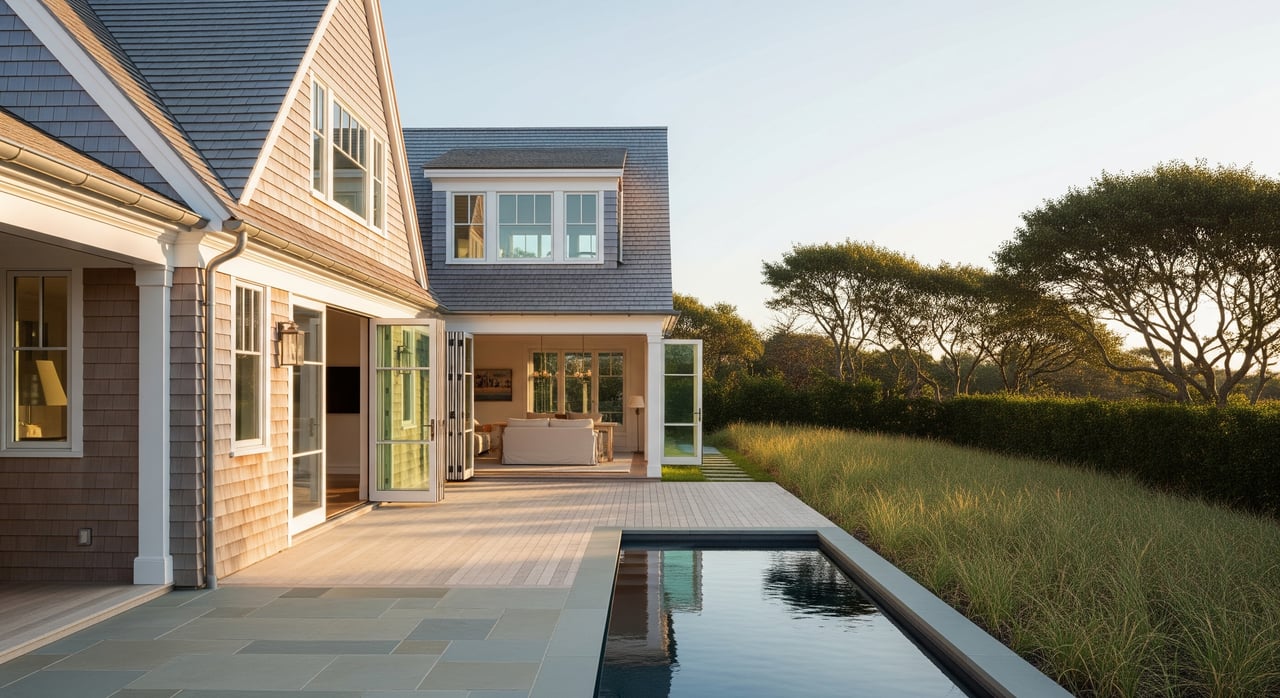
What draws you to Bridgehampton might sound simple at first glance: the beaches, the light, the privacy. But when you start comparing homes, you realize there is a clear set of features buyers consistently compete for in this Hamptons village. In this guide, you will learn which property attributes, lifestyle factors, and due‑diligence steps matter most so you can move with confidence. Let’s dive in.
Who is buying in Bridgehampton
Bridgehampton attracts several buyer profiles, each with a clear priority set:
- Primary and commuter buyers: You want year‑round amenities, reliable commute options via the LIRR, strong internet, efficient HVAC, and lower maintenance homes.
- Second‑home and seasonal buyers: You prioritize privacy, beach access, outdoor living, and low‑maintenance landscaping. Leisure features like pools and outdoor kitchens rise to the top.
- Investors and rental operators: You focus on short‑term rental rules, occupancy limits, yield potential, and proximity to beaches and the village center.
- Downsizers and retirees: You value single‑story living or first‑floor primary suites, access to healthcare and services, and manageable property upkeep.
- Equestrian buyers: You look for larger parcels, barns or stables, and proximity to trails and the Hampton Classic facilities.
Property features buyers value most
Location and beach access
Proximity to the ocean or bay is a primary driver of demand. Deeded or direct beach access creates a premium compared with similar inland properties. Even distant water views and south‑facing exposure for sun can lift appeal. Public beach access nearby still ranks high for lifestyle convenience.
Lot size and outdoor living
Larger lots unlock guest houses or accessory dwellings, private pools, sport courts, and generous landscaping. Heated pools, outdoor kitchens, fire pits, patios, and covered porches are highly desired. Fenced areas for pets and children add practicality.
Architecture and layout
Classic shingle‑style, modern coastal, and contemporary designs are all in demand. Many buyers seek open‑plan kitchens with large islands, high‑end appliances, and quality finishes. Primary suites with walk‑in closets and spa‑style baths improve livability and resale.
Condition and systems
Turnkey condition is a major advantage, especially for second‑home buyers. You will want modern HVAC with zoned heating and cooling, central air, reliable water and septic, and whole‑house generators. Energy efficiency, from insulation to windows, is increasingly important and can influence insurance and operating costs.
Parking and storage
Garages, covered spaces, and ample guest parking are valuable during peak summer months. Storage for beach gear, bikes, and seasonal items adds everyday convenience.
Views and light
Direct ocean or bay views are rare and prized. South‑facing exposure and floor‑to‑ceiling glazing in modern builds can enhance the indoor‑outdoor connection buyers seek.
Guest and accessory spaces
Guest houses, staff quarters, and in‑law suites broaden flexibility for hosting, extended stays, or rental positioning. These spaces often strengthen both rental and resale potential.
Landscaping and drainage
Mature plantings and privacy hedges help create the discretion many Hamptons buyers want. Thoughtful grading and drainage reduce maintenance and protect improvements over time.
Neighborhood and lifestyle drivers
Beaches and coastal life
Ease of access to public beaches or membership in private beach associations weighs heavily in decision‑making. Properties that allow you to walk or bike to the shore tend to be more competitive.
Village access and walkability
Being near Bridgehampton’s Main Street restaurants, shops, and grocery options appeals to both full‑time and seasonal owners. Walkable locations often see heightened demand.
Transportation and commute
Bridgehampton’s LIRR station on the Montauk Branch offers a useful option for weekend or seasonal commuters. Road access via Route 27 to New York City is a plus, although seasonal traffic patterns remain a factor to consider.
Schools and services
Families consider the Bridgehampton Union Free School District and nearby schools as part of daily logistics. Community services, libraries, and parks add to everyday livability.
Culture, recreation, and equestrian life
The Hampton Classic Horse Show, local galleries, farm stands, and seasonal markets are part of the area’s rhythm. Access to marinas, boating, fishing, and golf broadens the lifestyle menu.
Privacy and discretion
Gated entries, long private drives, and dense hedging are common asks for buyers who value discretion. Neighborhoods that strike a balance between access and privacy typically resonate.
Healthcare and utilities
Buyers planning to live year‑round weigh proximity to urgent care and hospital facilities, along with power reliability and broadband availability. These practicalities shape daily comfort and work‑from‑home feasibility.
What moves price in Bridgehampton
- Waterfront or deeded beach access: Highest premiums for oceanfront, bayfront, or legal access rights.
- Lot size and development potential: More acreage and room for accessory structures, where allowed, lift value.
- Condition and renovation status: Newer construction and recent renovations command notable premiums.
- Privacy and landscaping: Effective screening and mature plantings enhance buyer appeal.
- Seasonality: Summer demand often compresses days on market, while off‑season dynamics differ.
- Zoning and conservation factors: Setbacks, wetlands, and easements can shape development and expectations.
- Supply constraints: Strict shoreline controls and limited developable land support pricing.
Risks and regulations to vet early
Flood risk and insurance
Many coastal areas fall within FEMA‑mapped flood zones or storm surge risk areas. Elevation and required freeboard for new builds can affect cost and design. If you finance a home in a Special Flood Hazard Area, lenders typically require flood insurance.
Coastal permits and setbacks
Shoreline setbacks and coastal rules apply in the Town of Southampton and through New York State agencies. Dune protection and erosion controls can limit new construction and shoreline improvements.
Septic and wastewater
Much of Bridgehampton relies on septic rather than municipal sewer. Capacity, age, and compliance are critical, and Suffolk County’s rules or upgrade programs for nitrogen mitigation can affect permitting.
Short‑term rental rules
Regulations continue to evolve across the Hamptons. If you plan to rent, verify Town of Southampton registration, permit steps, occupancy limits, and any seasonal restrictions before underwriting rental income.
Historic and conservation controls
Preservation overlays or covenants may limit exterior changes. Confirm any applicable restrictions early so design plans align with local requirements.
Insurance and ownership costs
Coastal properties often face higher homeowners and flood premiums, along with windstorm considerations. Deductibles and underwriting standards change over time, so obtain quotes during diligence.
Environmental and wetlands
Wetlands buffers and protected habitats can restrict usable areas and trigger mitigation requirements. A careful site review helps avoid surprises.
Utilities and infrastructure
Confirm water source, electric service resiliency, and broadband options. These factors affect comfort, remote work, and long‑term operating costs.
A practical buyer checklist
Use this step‑by‑step list to streamline diligence:
- Market and listing review
- Study recent comparable sales and seasonal trends.
- Request seller disclosures, renovation history, and permits or invoices for work performed.
- Inspections and specialists
- General home inspection focused on roof, foundation, electrical, plumbing, and HVAC.
- Licensed septic inspection and records of permits or upgrades.
- Survey and boundary confirmation to verify hedges, easements, and any deeded beach access.
- Elevation certificate or an as‑built site plan with grades for waterfront or low‑lying properties.
- Coastal or geotechnical engineer for higher‑risk waterfront sites; structural engineer for older homes or signs of settlement.
- Regulatory checks
- Verify zoning, past variances, and any conservation easements with the Town of Southampton.
- Review FEMA flood maps and obtain flood insurance quotes early if applicable.
- Confirm short‑term rental rules and any HOA or beach association requirements.
- Title and encumbrances
- Order a full title search to identify easements, covenants, liens, and access rights.
- Operating costs and services
- Estimate property taxes, insurance, utilities, septic maintenance, and landscaping or seasonal staffing.
- Confirm internet speeds and cell coverage for work‑from‑home needs.
Seasonality and timing tips
- Tour in both peak summer and off‑season to gauge traffic, noise, and year‑round livability.
- Expect quicker pacing and stronger competition near summer; off‑season can create negotiation windows.
- Line up inspectors and insurance quotes early to keep closing timelines on track.
How to approach your search
Start by ranking your top three non‑negotiables such as beach access, privacy, or turnkey condition. Then detail your acceptable trade‑offs like a smaller lot in exchange for walkability or a longer drive for more acreage. Finally, match your list to regulatory realities, including flood elevation requirements, septic capacity, and any setback limits. With a clear brief, you can focus on homes with the highest fit and fewer surprises during diligence.
If you want discreet, end‑to‑end guidance from a team that blends hyperlocal knowledge with modern marketing and careful negotiation, reach out to Dennis Saglam. We will help you prioritize features, verify risks, and move decisively when the right Bridgehampton home appears.
FAQs
How important is beach access in Bridgehampton?
- Deeded or direct beach access is a major value driver and often commands a premium compared with similar properties without it.
Do I need flood insurance for a Bridgehampton home?
- If the home is in a FEMA Special Flood Hazard Area and you have a mortgage, flood insurance is typically required; many buyers near the coast obtain coverage regardless.
Are short‑term rentals allowed in the Town of Southampton?
- Rules vary and change; verify current registration, permit requirements, occupancy limits, and any seasonal restrictions before assuming rental income.
Which inspections matter most for coastal Hamptons properties?
- A general home inspection, septic inspection, and an elevation certificate or site plan are core; add coastal or geotechnical assessments for higher‑risk waterfront sites.
What should I prioritize if I want privacy and walkability?
- Balance hedged or set‑back parcels near the village with your tolerance for summer activity; some buyers trade a bit of walkability for deeper privacy buffers.
What defines an equestrian‑friendly property in Bridgehampton?
- Larger acreage that can accommodate barns or stables, appropriate setbacks, and proximity to trails or the Hampton Classic facilities are key considerations.
