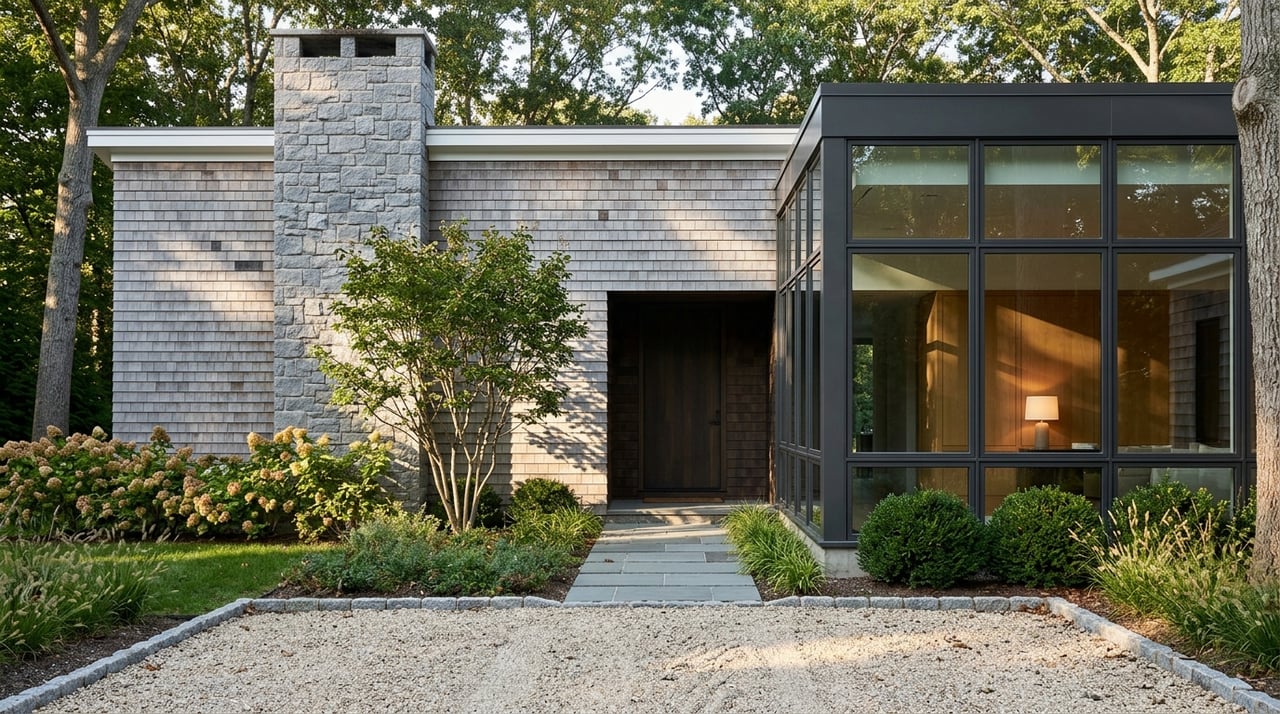
Thinking about a second home in East Hampton, but not sure which area fits the way you actually want to live? That choice can shape everything from your summer routine to your budget, especially when East Hampton Village, Northwest Woods, and Springs offer very different experiences. If you want a clearer way to compare price, access, housing style, and day-to-day feel, this guide will help you narrow the field with confidence. Let’s dive in.
Why area matters in East Hampton
For second-home buyers, the right fit is not just about square footage or finishes. It is about how easily you can get to the beach, whether you want a walkable core or more privacy, and how much flexibility you want at your price point.
In East Hampton, those trade-offs become especially clear when you compare East Hampton Village, Northwest Woods, and Springs. Each area offers a distinct buying profile, and understanding those differences early can save you time and help you focus your search.
East Hampton Village at a glance
East Hampton Village is the premium option in this comparison. Current market data places the typical home value at about $5.57 million, and current inventory is limited, with about 22 homes noted in the latest village data.
The housing stock is centered around high-end waterfront homes, new construction, and renovated houses closer to the village core. Current active examples range from roughly $1.4 million on the low end to $38 million at the top, which shows how wide the luxury range can be within a very tight market.
What daily life looks like
If you want immediate access to the village center, this is the strongest fit of the three areas. The village operates five beaches: Georgica, Main, Wiborg, Egypt, and Two Mile Hollow, and three are lifeguarded.
Beach access is managed through village parking permits, which is an important detail if you picture frequent beach days during the season. The East Hampton Circuit also provides free summer transportation within the village, including stops at the LIRR station, Jitney stop, Main Street, Main Beach, and local hotels and restaurants.
What buyers should weigh
The main advantage of East Hampton Village is convenience paired with prestige. You are buying into the tightest, most expensive segment of this comparison, with strong access to the village core and a highly structured beach system.
The trade-off is straightforward. You should expect higher pricing, limited inventory, and more competition for well-located properties.
Northwest Woods at a glance
Northwest Woods usually sits in the middle tier from a practical buyer standpoint. It generally reads as more affordable than East Hampton Village, but often above Springs, with current listings clustering from roughly the low-$1 million range into the $3 million-plus range.
This area is defined less by a village-center setting and more by land, trees, and privacy. Current listings often feature contemporary, traditional, modern, and new-construction homes on wooded lots.
What daily life looks like
Official town materials describe Northwest Woods as a preserve-and-trails landscape on East Hampton’s northerly shore. The area includes preserved lands, native oak, hickory, and white pine forests, along with rolling terrain and glacial kettle-hole topography.
For many second-home buyers, that translates into a quieter residential feel. Grace Estate Preserve offers more than 500 acres of water and woods with trails and views of Northwest Harbor, while Cedar Point County Park spans 607 acres with Gardiner’s Bay views, nature trails, and outer-beach vehicle access by permit.
What buyers should weigh
Northwest Woods is often the strongest fit if you want a more secluded setting without feeling cut off. Several current listings describe the area as roughly a few miles from East Hampton Village and Sag Harbor, which gives you a useful sense of access without putting you in the center of daily village activity.
The key trade-off is that you are choosing space and privacy over walkability. If your ideal second home centers on wooded lots, nature access, and a calmer setting, this area deserves a close look.
Springs at a glance
Springs is the lower-priced end of this three-area comparison. Current market data places the typical home value at about $1.40 million, and current inventory is notably broader, with about 64 homes in the latest Springs data.
The housing stock is eclectic. Current listings include classic Hamptons cottages, restored older homes, newer construction, and even older farmhouses, including a circa-1810 farmhouse noted in the historic section.
What daily life looks like
Springs is strongly tied to bay and harbor access. Town beach listings for Springs include Flaggy Hole, Gerard Drive Park, Louse Point, and Maidstone Park Beach, while public access to the Accabonac Harbor landscape is also part of the area’s appeal.
For buyers, that often means Springs feels more water- and landscape-oriented than village-core oriented. If your version of a second home is more about a relaxed coastal setting than a central in-town lifestyle, Springs may line up well.
What buyers should weigh
The biggest advantage in Springs is flexibility at a lower entry point. You may find a wider mix of housing styles and price points than in East Hampton Village, which can be helpful if you are balancing budget, renovation appetite, and long-term use.
The trade-off is that Springs is less about immediate village access. Buyers who want the center of gravity to be bays, harbors, and lower-density residential surroundings often find that appealing rather than limiting.
Side-by-side comparison
Here is a simple way to think about the three areas as a second-home buyer:
| Area | Typical pricing position | Housing feel | Access pattern | Best fit for |
|---|---|---|---|---|
| East Hampton Village | Highest, about $5.57M typical value | High-end waterfront, new construction, renovated village homes | Village core, managed beach access, summer transit | Buyers who want convenience, prestige, and central access |
| Northwest Woods | Middle tier | Wooded lots, privacy, contemporary to new-construction homes | Nature-oriented, a few miles from village and harbor hubs | Buyers who want privacy and preserved surroundings |
| Springs | Lowest, about $1.40M typical value | Eclectic mix of cottages, older homes, farmhouses, and new builds | Bay and harbor access, less village-centered | Buyers who want a lower entry point and coastal character |
Beach permits matter more than many buyers expect
If beach access is part of your second-home plan, permit rules are worth reviewing early. East Hampton Village and the Town use separate permit systems, and that can affect how spontaneous your summer routine feels.
Village beaches require a Village beach parking permit. Town beaches use Town parking and drive-on permits instead.
That distinction may sound administrative, but it can have a real impact on your lifestyle. If your ideal use case includes quick, frequent beach visits, the permit structure tied to your area should be part of your buying decision.
How to choose the right fit
A simple way to narrow your search is to start with how you want your weekends and summers to feel. If you want to be close to the center of activity, with managed access to village beaches and a premium address, East Hampton Village is the clearest match.
If you want woods, preserves, and a quieter setting while staying within reach of East Hampton Village and Sag Harbor, Northwest Woods often offers the best balance. If you want a lower entry point, broader inventory, and strong bay- and harbor-oriented appeal, Springs may offer the most flexibility.
Your budget matters, but so does your pattern of use. The best second home is usually the one that supports how you actually plan to spend your time once you arrive.
Choosing between East Hampton Village, Northwest Woods, and Springs is really about matching price, privacy, access, and setting to your priorities. If you want a measured, local perspective on which area best fits your goals, Dennis Saglam can help you evaluate options with discretion and clarity.
FAQs
What is the most expensive East Hampton area for second-home buyers?
- East Hampton Village is the highest-priced area in this comparison, with a typical home value of about $5.57 million based on current market data.
What East Hampton area offers the lowest entry point for second-home buyers?
- Springs is the lower-priced option in this comparison, with a typical home value of about $1.40 million and a wider inventory base than East Hampton Village.
What is Northwest Woods like for East Hampton second-home buyers?
- Northwest Woods is generally a middle-tier option that appeals to buyers looking for wooded lots, privacy, preserved landscapes, and access to trails, harbors, and nearby village amenities.
What should East Hampton buyers know about beach permits?
- East Hampton Village beaches use a Village parking permit system, while Town beaches use separate Town parking and drive-on permits, so access rules can vary depending on where you buy.
Which East Hampton area is best for village access?
- East Hampton Village is the strongest fit if your priority is being close to Main Street, village services, summer transit stops, and village-managed beaches.
Which East Hampton area is best for bay and harbor access?
- Springs is especially tied to bay and harbor access, with town beach locations including Flaggy Hole, Gerard Drive Park, Louse Point, and Maidstone Park Beach.
