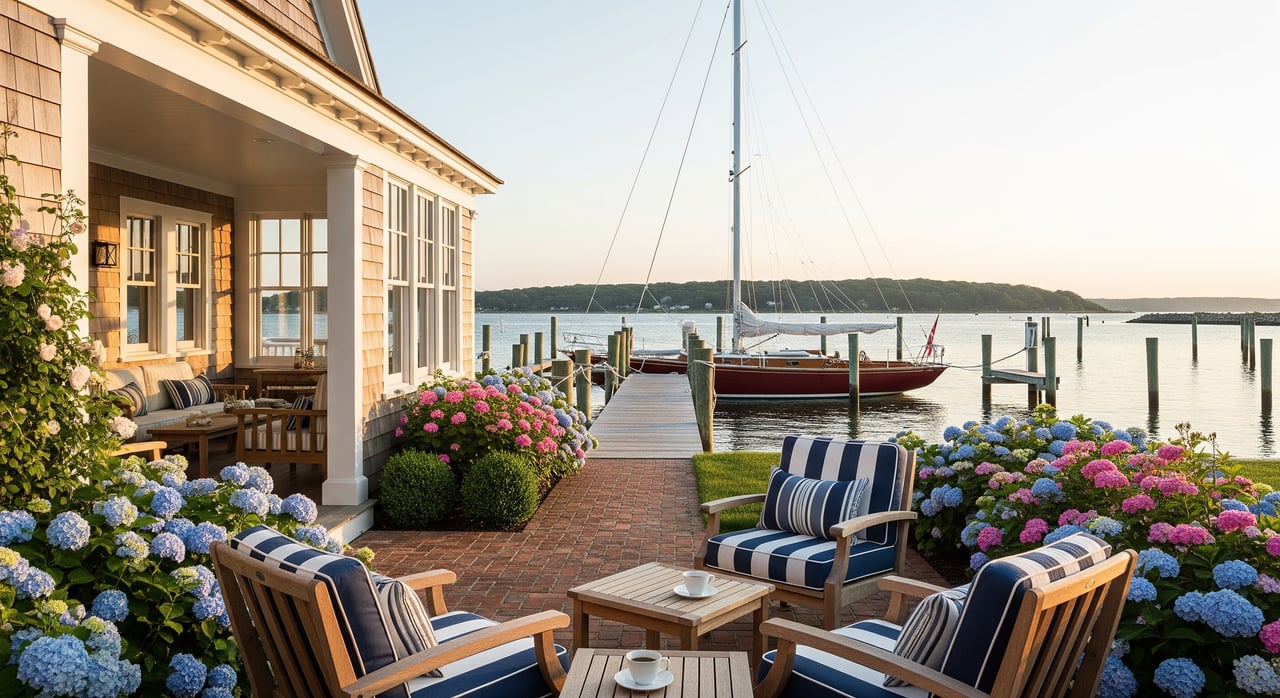
Picture this: you start your day with a coffee on Main Street, stroll past galleries and bakeries, then catch golden light over the harbor by evening. If you are considering Sag Harbor as a second home or a future full-time move, you likely want to know how daily life actually feels beyond summer headlines. This guide gives you a clear view of walkability, the harbor lifestyle, dining and arts, seasonality, and the key logistics buyers ask about. By the end, you will have a grounded sense of whether Sag Harbor’s rhythm matches yours. Let’s dive in.
Where Sag Harbor sits on the East End
Sag Harbor Village sits on the South Fork of Long Island in Suffolk County, with village boundaries spanning parts of the Town of Southampton and the Town of East Hampton. That split matters because permitting, some taxes, and public services can vary by town. You can explore village governance and services on the Village of Sag Harbor website, and review broader regulations through the Town of Southampton and Town of East Hampton sites.
The village is compact, shaped by its 19th‑century whaling heritage that still shows in museums, old wharves, and preserved architecture. The population is small, under a few thousand residents, with seasonal visitors and second-home owners increasing activity in summer. You get a walkable downtown and a strong sense of place, set within a high-value Hamptons market.
Walkable village life
Sag Harbor’s core revolves around Main Street and Bay Street. The area is highly walkable, especially in warmer months when patios open and events pick up. You can handle many daily errands on foot, then head to the harbor without getting in a car.
Errands within a few blocks
In the village center, you will find cafés, restaurants, galleries, boutique retail, banks, the post office, the library, pharmacies, and small markets. That density keeps day-to-day life simple. Many residents walk to dinner, grab groceries, and attend events without worrying about long drives.
What you drive for
For bigger supermarket runs or specialty shopping, you will likely drive to nearby hamlets. The East End is car‑focused overall, so having a vehicle makes sense even if you live near the village center. Parking is generally manageable outside peak season.
Getting to and around Sag Harbor
Most residents and visitors arrive by car. Plan on two to three hours from New York City depending on traffic and your origin. Summer weekends can stretch that timeline, and parking near the core tightens during peak periods.
Rail and bus connections
Sag Harbor does not have a Long Island Rail Road station, but nearby stations like Bridgehampton and Southampton offer the closest access. You can check current timings on the LIRR schedules. Private coach services operate year-round with added frequency in season. The Hampton Jitney runs regular NYC routes to the South Fork, and local taxis or rideshares can cover the short hop to the village.
Air travel
For commercial flights, most residents use JFK, LaGuardia, or Islip MacArthur. East Hampton Airport offers regional and charter options during high season. Availability changes through the year, so plan ahead if you expect frequent air travel.
Waterfront and outdoor culture
Sag Harbor’s everyday rhythm leans into the water. Sailing, motorboating, kayaking, and paddleboarding are common, and the harbor opens to Noyac Bay and the wider Peconic system. On a warm evening, you will see people walking waterside promenades and catching sunset from docks and parks.
Harbor life
Boat ownership is popular, but you do not need a boat to enjoy the waterfront. Public-facing amenities, private marinas, and charter options support both casual and committed boaters. Seasonal slips and moorings are in high demand in summer, so plan for lead times if dockage is a priority.
Beaches, parks, and trails
You are within easy reach of calm bay beaches and, a short drive away, ocean beaches along the South Fork. Local parks host community events and provide space for picnics, walking, and biking. In the broader countryside, you will find scenic roads for cycling, plus access to nature preserves.
Programs and recreation
Seasonal regattas, kayak and paddleboard rentals, fishing charters, and youth programs are part of the summer landscape. Equestrian facilities and vineyard visits are available across the Hamptons, making it simple to build a varied outdoor routine.
Dining, arts, and community
Sag Harbor’s food scene focuses on seafood, local ingredients, and relaxed, polished service. Many establishments are independent or family-run, with some shifting to seasonal hours in shoulder months.
Food and shopping
You will find cafés, bakeries, and sit-down dining steps from the harbor. Shopping skews boutique and curated, with antiques, specialty stores, and art galleries lining the village core. If you prefer big-box retail, plan short drives to neighboring areas.
Arts anchors
Arts and culture are woven into village life. The Bay Street Theater hosts professional theater and music, and the Sag Harbor Whaling & Historical Museum highlights the region’s maritime heritage. Summer brings festivals, farmers markets, and a steady cadence of community events.
Evenings and nightlife
Expect a low-key scene. Dinner with friends, a show, or a casual drink is more typical than late-night clubs. That relaxed pace is a core part of the village’s appeal.
Seasonality and what to expect
Sag Harbor functions year-round, but the feel of the village changes with the calendar. Understanding those shifts helps you decide how the location matches your lifestyle.
Summer surge
From late spring through August, the village hums. Restaurants book up, sidewalks are lively, and weekends bring traffic. It is energetic and fun if you enjoy activity, but you will want to plan reservations and parking ahead.
Quiet seasons
Fall and winter slow down. Some businesses close for part of the year or reduce hours, and residents settle into a calmer routine. Many year-round homeowners say this is when village life feels most neighborly and manageable day to day.
Test the fit
If you are on the fence, visit both in-season and off-season. Pay attention to your daily needs like parking, grocery runs, and internet speeds. That quick reality check helps you prioritize neighborhoods and property types that fit your routine.
Practical essentials for buyers
Beyond lifestyle, a few practical topics often shape purchase decisions. The points below address what local buyers ask most.
Schools, healthcare, and services
Sag Harbor is served by the Sag Harbor Union Free School District. Buyers considering full-time residency often review district boundaries and program offerings directly with the district office. For hospital care on the South Fork, residents commonly use Stony Brook Southampton Hospital and local clinics, with specialty care available across Long Island and in New York City.
Utilities and infrastructure
Much of the East End uses on-site septic systems instead of full sewer service. Before you buy, confirm whether a property is on public sewer or septic and ask about any upgrades. For general health and environmental guidance, consult the Suffolk County Department of Health Services.
Flood zones and insurance
Waterfront charm comes with coastal risk. Properties near the harbor and in low-lying areas can sit in FEMA-designated flood zones. Use the FEMA Flood Map Service Center to check a property’s flood zone and discuss National Flood Insurance Program and private coverage with a broker. Elevation certificates and flood compliance influence insurance costs and permitting.
Short-term rentals and permits
Short-term rental rules are set at the town level and change over time. If you plan to rent your home, review current ordinances and any licensing or registration requirements with the Town of Southampton or the Town of East Hampton, depending on your property’s location. Within village limits, historic-district properties may require design review for exterior changes, so confirm requirements with the Village of Sag Harbor before planning renovations.
Due diligence checklist
Use this quick list to pressure-test a property and your lifestyle assumptions:
- Visit in peak summer and mid-winter to compare traffic, noise, and business hours.
- Confirm water and waste systems, plus providers for electricity, gas or oil, and broadband.
- Review FEMA flood maps and ask for an elevation certificate and recent insurance quotes.
- Check town short-term rental rules, zoning, and any village historic review requirements.
- Inspect docks, bulkheads, moorings, and shoreline structures for condition and permitting.
- Map your commute to LIRR or coach stops and time the drive to essential services.
- Speak with a local advisor about seasonal occupancy patterns and pricing dynamics.
Is Sag Harbor right for you?
If you value a walkable harbor village with strong arts and dining, relaxed evenings, and direct access to the water, Sag Harbor delivers. You will balance summer buzz with off-season calm, and you will want to plan ahead for parking, reservations, and coastal due diligence. With clear expectations and the right property fit, daily life here feels both convenient and distinctly Hamptons.
If you want a property that matches your lifestyle and investment goals, connect with a local advisor who knows the village block by block. For confidential guidance and a tailored search, reach out to Dennis Saglam.
FAQs
Is Sag Harbor a year-round or seasonal community?
- It is both. A core group of residents lives here year-round, while summer brings a significant surge in visitors and seasonal homeowners.
How walkable is Sag Harbor Village for daily errands?
- The Main Street and Bay Street core is highly walkable for dining, cafés, small markets, galleries, and services, with larger shopping a short drive away.
What are the main transportation options from NYC to Sag Harbor?
- Most people drive, especially on weekends. You can also use the LIRR schedules for nearby stations and the Hampton Jitney for coach service.
What should buyers know about flood risk in Sag Harbor?
- Coastal properties may sit in FEMA flood zones. Check the FEMA Flood Map Service Center, then discuss insurance and elevation details with your advisor.
Are short-term rentals allowed in Sag Harbor?
- Rules exist and vary by town jurisdiction. Confirm current requirements with the Town of Southampton or Town of East Hampton before planning rentals.
Where do residents access healthcare on the South Fork?
- Many use Stony Brook Southampton Hospital for hospital care, with additional specialists available across Long Island and New York City.
