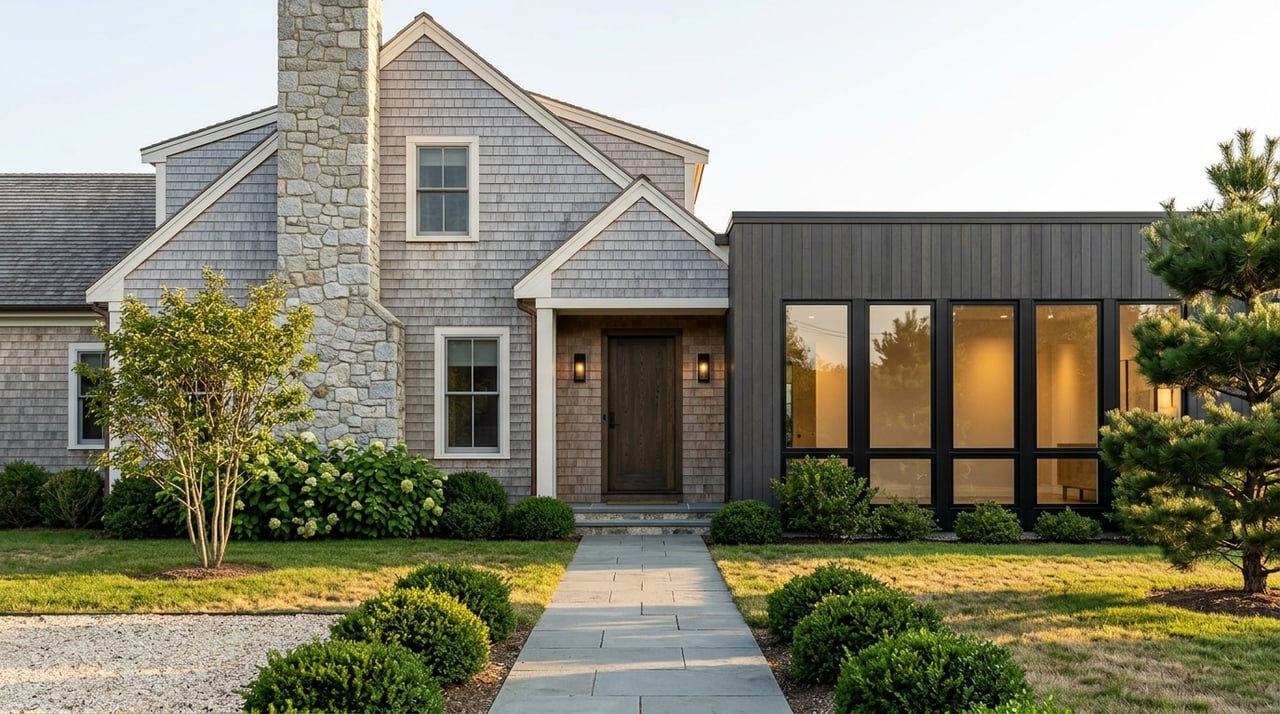
If you are preparing to sell in Southampton, the biggest question may not be whether to list, but how to tell the right story. A classic estate and a newer build can both command strong attention in this market, yet buyers evaluate them very differently. If you understand what each property type promises, what buyers expect, and what prep work matters most, you can launch with more confidence and fewer costly missteps. Let’s dive in.
Why Property Type Matters in Southampton
Southampton is part of a luxury market where condition, presentation, and positioning carry real weight. In Q4 2025 Hamptons market data, Southampton posted a median sales price of $2.65 million, while the broader Hamptons single-family market showed 127 median days on market and 6.7 months of supply.
That matters because even in a strong high-end market, homes do not sell on prestige alone. The same report shows the top 10% of Hamptons sales had a median market time of 154 days, which is a reminder that luxury buyers still respond to thoughtful pricing, sharp presentation, and a clear value proposition.
Define the Listing Narrative First
The most important difference between a classic Southampton estate and a newer build is the narrative. A classic property should usually be positioned around architectural character, stewardship, setting, and legacy. A newer home should usually be positioned around turnkey ease, modern systems, and immediate enjoyment.
That distinction fits the realities of the local market. Buyers searching Southampton are often comparing homes not just by square footage or location, but by how much work, risk, or decision-making will be required after closing.
When a Classic Estate Leads With Character
Classic Southampton estates often draw value from period architecture, mature grounds, and a sense of continuity with the area’s built history. Preservation Long Island’s Southampton materials describe shingle-style and related historic forms as central to the local residential identity, while Southampton Village planning materials note the presence of late-19th- and early-20th-century residential and resort architecture.
For buyers, that means a classic estate is rarely just a house. It is often viewed as a property with visual identity, established landscape, and architectural details that cannot be quickly replicated.
When a Newer Build Leads With Convenience
A newer build should usually be framed as a ready-now solution. According to a Fox Business report on the Hamptons market, buyers are competing hardest for turnkey and renovated homes in prime Hamptons areas, including Southampton, in part because construction timelines, labor costs, and permitting uncertainty have raised the premium on move-in-ready product.
That makes certainty a major selling point. If your home is complete, documented, and easy to use immediately, that is not a minor detail. It is central to the listing strategy.
How to Prepare a Classic Southampton Estate
Selling a classic estate usually starts earlier than owners expect. In Southampton, the pre-listing process can involve more than cosmetic prep, especially if the home is older, historically significant, or located within an area subject to architectural or preservation review.
The Town of Southampton Landmarks & Historic Districts Board reviews demolition and construction permit applications for structures built before 1941 and other recognized historic resources. Town code also requires a certificate of appropriateness for certain exterior alterations, demolition, or new construction affecting landmarks or historic-district properties.
Review Exterior Changes Early
If you are considering any visible exterior work before listing, timing matters. Gates, facade updates, additions, demolition, and other exterior changes may require review, and new work must be compatible with the district when applicable.
That means your first step should not be ordering photography. It should be confirming what approvals, permits, or documentation may be needed before any visible improvement begins.
Focus on Condition, Not Reinvention
Buyers looking at a classic estate are usually responding to authenticity, privacy, acreage, mature landscaping, and craftsmanship. They are not typically looking for an over-stylized renovation that strips out the home’s original personality.
The goal is to present the property as a well-maintained architectural asset. Deferred maintenance, worn finishes, or unfinished exterior items can undercut that message quickly.
Stage With Restraint
Staging can still help, but the approach should be measured. In the 2025 NAR staging profile, 83% of buyers’ agents said staging made it easier for buyers to visualize a property as a future home, with the living room, primary bedroom, and kitchen named as the most important rooms to stage.
For a classic Southampton estate, staging usually works best when it softens distractions without competing with the architecture. Clean sightlines, a lighter palette, and edited furnishings often do more than a dramatic redesign.
How to Prepare a Newer Build
Newer homes require a different kind of discipline. Buyers are often paying a premium for ease, so small administrative or completion issues can feel larger than they would in an older property.
If the listing story is turnkey, the home needs to support that claim in both appearance and paperwork.
Confirm Documentation Before Launch
Before listing a newer build, sellers should confirm:
- Certificate of occupancy status
- Final inspections
- Permit history
- Landscaping completion
- Floodplain compliance, if applicable
- Coastal-erosion compliance, if applicable
The Southampton Village Building Department specifically handles floodplain and coastal-erosion regulations and maintains related building resources. A clean document package can reduce friction and support buyer confidence.
Market the Home as Complete
A newer build should not be presented as a concept. It should be presented as finished, functional, and ready for use. That is especially true in a market where turnkey inventory carries a premium.
A local James Lane Post Hamptons market roundtable highlighted ongoing buyer interest in indoor-outdoor living, wellness amenities, privacy, and year-round usability. If your home offers those features, they should be clearly supported in the listing story and visuals.
Keep Staging Clean and Minimal
Newer homes usually benefit from lighter, more minimal staging than classic estates. The visual emphasis should be on natural light, materials, glass, terraces, pool areas, and the feeling that the home is ready from day one.
Too much furniture or styling can make modern spaces feel smaller and less resolved. In most cases, less is more.
What Buyers Notice First Online
Your listing has to win online before it wins in person. According to NAR buyer and seller research, 43% of buyers say their first step is searching the internet, and 83% of internet-using buyers say photos are very useful.
That data has direct implications for Southampton sellers. If your visual presentation is generic, the market may treat the property as generic too.
Best Photo Strategy for a Classic Estate
For a classic estate, photography should emphasize:
- Arrival and approach
- Mature landscaping and grounds
- Scale and setback
- Architectural detail
- Craftsmanship and texture
- Rooms where period character is most visible
The goal is to show the home as a preserved and livable asset, not a renovation challenge.
Best Photo Strategy for a Newer Build
For a newer build, photography should emphasize:
- Light-filled interiors
- Indoor-outdoor flow
- Terraces and entertaining areas
- Pool and outdoor amenities
- Clean finishes and materials
- Functional, complete spaces
The goal is to communicate ease, polish, and immediate lifestyle value.
Repairs to Make Before Photos
Both property types benefit from pre-launch repairs, but the priority list is different.
Classic Estate Repair Priorities
For classic estates, focus first on visible maintenance that may make buyers question stewardship. This can include paint condition, cracked hardscape, aging exterior elements, tired landscaping, and small issues that distract from the home’s architectural strengths.
If a repair affects the exterior appearance, review whether local approvals may apply before starting work.
Newer Build Repair Priorities
For newer builds, focus on completion and consistency. Buyers tend to notice missing hardware, unfinished punch-list items, landscaping gaps, unaddressed inspection items, or any sign that the home is not as move-in ready as advertised.
In this category, even minor loose ends can weaken the premium story.
How Pricing Expectations Can Differ
Pricing should reflect not just size and location, but how the market is likely to interpret the product. A classic estate may justify premium positioning when it offers recognized architectural character, strong grounds, privacy, and a well-maintained condition profile.
A newer build may justify premium pricing when it eliminates friction and offers a clear turnkey advantage. But in either case, the market still rewards precision. The Q4 2025 Hamptons report showed a 9.2% listing discount from last asking price across the single-family market, which is a useful reminder that aspirational pricing without a clear strategy can cost time.
Which Listing Approach Wins?
There is no universal winner between a classic Southampton estate and a newer build. The better listing is the one that aligns its pricing, prep, documentation, visuals, and narrative with what the property actually offers.
A classic estate wins when it is presented as a carefully maintained home with real architectural identity. A newer build wins when it is launched as polished, complete, and easy to enjoy immediately. In both cases, the strongest results usually come from a tailored process rather than a generic listing plan.
If you are weighing how to position a Southampton property before it goes live, working with an advisor who understands both the local approval landscape and the marketing side of luxury inventory can make the launch more efficient and more effective. To schedule a confidential consultation, connect with Dennis Saglam.
FAQs
What matters most when listing a classic estate in Southampton?
- The most important factors are usually architectural character, visible condition, mature grounds, and early review of any permit or historic-district issues tied to exterior work.
What matters most when listing a newer build in Southampton?
- Buyers usually want a newer build to feel fully complete, easy to use, and well documented, including certificate of occupancy status, inspections, permits, and any applicable compliance items.
How should staging differ between a classic estate and a newer Southampton home?
- A classic estate usually benefits from restrained staging that supports original details, while a newer home usually benefits from cleaner, more minimal staging that highlights light, flow, and finish quality.
How do Southampton historic review rules affect listing prep?
- Depending on the property, exterior alterations, demolition, or new construction may require review or approvals, so sellers should check local requirements well before scheduling photography or launch.
Why does online presentation matter so much for Southampton listings?
- Many buyers begin their search online, and photos are a major decision factor, so the listing imagery and narrative need to quickly communicate whether the property offers legacy character or turnkey convenience.
