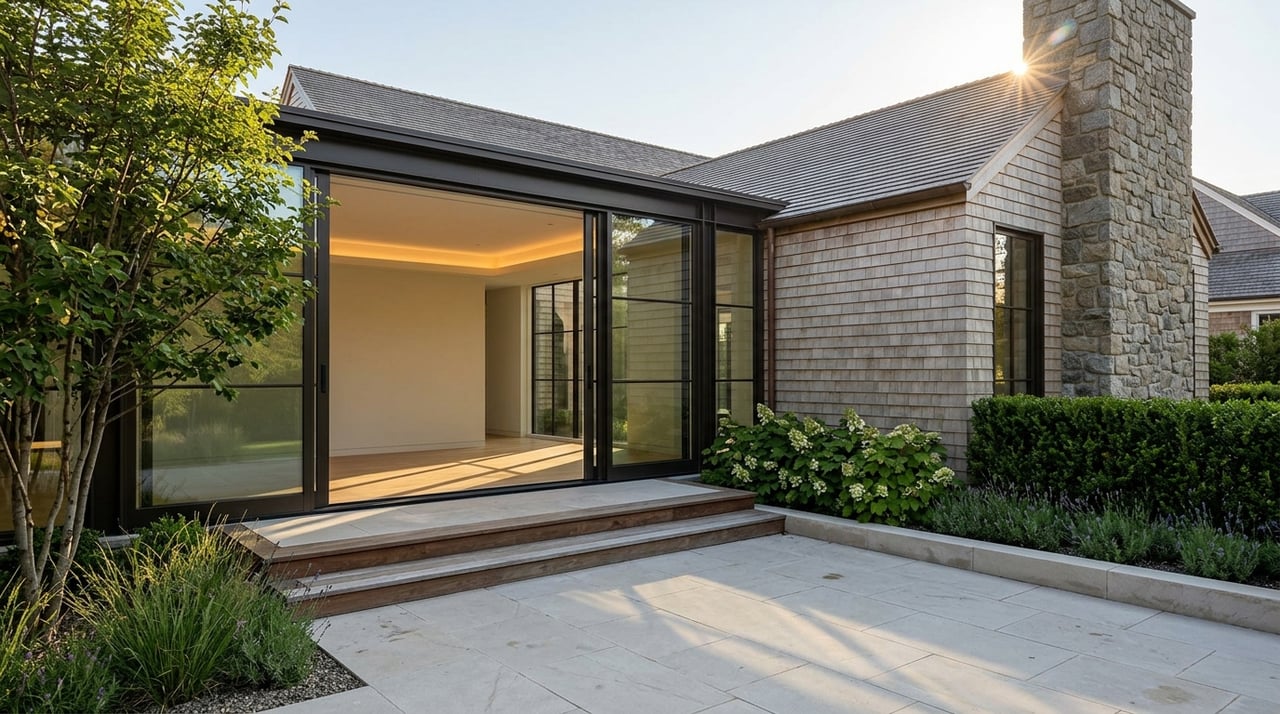
If you own a home in Water Mill, timing can shape your rental outcome almost as much as the home itself. This is not a market where you can simply list late and expect peak-season results. Water Mill follows the broader Hamptons rhythm, but it also behaves like its own micro-market with specific renter preferences, local rules, and a strong premium on quality. In this guide, you’ll get a practical look at how seasonal rental demand works in Water Mill, what drives interest, and how to prepare before the season starts. Let’s dive in.
Water Mill Has Its Own Rental Profile
Water Mill is not a generic vacation market. Within the Town of Southampton, it is described as primarily agricultural and residential, with a landscape shaped by large lots, single-family homes, and a limited commercial corridor along Montauk Highway.
That matters because seasonal demand here is tied to a different kind of renter expectation. In many cases, people are looking for privacy, design, outdoor living, and convenient access to Southampton and Bridgehampton, rather than a high-turnover stay in a dense beach town setting.
Why Water Mill Functions as a Micro-Market
Across the Hamptons, renters do not choose one area for the exact same reasons. Broker reporting has noted that each hamlet tends to attract its own audience, with decisions driven by lifestyle as much as location.
For Water Mill, that usually means demand centers on a specific mix of quiet surroundings, estate-style homes, and access to nearby village amenities. If you are planning to rent out a property here, it helps to position it within that narrower lifestyle lane instead of marketing it too broadly.
Peak Season Starts Before Summer
The busiest part of the Hamptons rental season typically runs from Memorial Day through Labor Day. July and August are widely viewed as the peak demand months.
But the booking cycle often starts much earlier than many owners expect. Reporting on the Hamptons rental market has shown that serious renters often begin looking in February and early March, especially for the strongest inventory.
That early activity can create an advantage for owners who are organized. If your home is ready, properly permitted, and well presented before spring, you are in a better position to capture attention before renters narrow their options.
Late Bookers Still Matter
Early demand is important, but it is not the whole story. Some Hamptons renters still wait until late spring or early summer to make decisions for July and August stays.
This split behavior can make the market feel uneven from year to year. Reports from 2025 noted that some premium homes that might normally have been rented earlier were still available later in the spring, partly because outside factors delayed decisions.
For you as an owner, the takeaway is simple. Do not confuse a slower early stretch with no demand at all. In Water Mill, both early planners and late decision-makers can shape the season.
The Best Homes Tend to Go First
Not all inventory performs the same way. Across the Hamptons, renovated homes with pools have been renting first, and location has remained a major factor in booking activity.
Properties that are well priced, well located, and presented in strong condition tend to move, even in a less uniform market. On the other hand, outdated or overpriced homes are more likely to sit.
That pattern matters a great deal in Water Mill. Because the area is known for larger homes and a more refined rental profile, renters are often comparing quality closely. Small differences in condition, finish level, and outdoor amenities can change the response significantly.
What Renters Often Want in Water Mill
Water Mill demand tends to favor full-home seasonal use rather than short, casual stays. Market data from AirDNA shows that 97% of active vacation-rental listings are entire homes, and nearly half are 5-bedroom or larger properties.
That supports what many owners already sense about the local market. Renters are often looking for a whole-property experience with space, privacy, and amenities that support a longer seasonal stay.
Features that may help drive stronger interest include:
- Updated interiors
- A pool and usable outdoor space
- Strong presentation in photos and marketing
- A layout that suits summer living
- Convenient access to Southampton or Bridgehampton destinations
In practical terms, Water Mill tends to reward homes that feel turnkey and easy to enjoy from day one.
Local Rules Shape Rental Demand
One of the most important points for Water Mill owners is that local regulations shape how this market works. In Southampton Town, a rental permit is required for any home rented for any period of time.
The Town also sets a 14-day minimum stay. Rentals shorter than 14 days are considered transient rentals and are not allowed.
That rule changes the nature of the market. Water Mill is better understood as a seasonal leasing market built around two-week, monthly, or full-season stays, rather than a nightly short-term rental model.
Why Broker-Led Marketing Still Matters
In Water Mill and the broader Hamptons, many rentals are secured through real estate professionals rather than public booking platforms alone. Reporting has also noted that private inventory, exclusives, and local relationships continue to play a major role.
For higher-value homes, that can be especially important. A broker-led strategy can help place your property in front of renters who are already focused on the Hamptons seasonal market and who may be looking for specific features, timing, or discretion.
In a place like Water Mill, distribution is not just about visibility. It is about reaching the right audience with the right positioning at the right time.
Permit Timing Should Be Part of Your Plan
If you want to rent your home seasonally, the permit process should be part of your timeline from the start. Southampton Town states that rental permits are valid for two years, are non-transferable, and cannot be used to advertise a home unless they are already in place.
The Town also notes that permit issuance often takes about 1 to 3 weeks during much of the year and can take 2 to 4 weeks in the busy summer season. Waiting too long can delay your launch and reduce your exposure during key booking windows.
A simple planning sequence can help:
- Confirm your rental permit status early.
- Review your lease structure and seasonal goals.
- Prepare the home for photography and showings.
- Bring the property to market before peak search activity passes.
- Stay flexible for both early and late-season demand.
Pricing and Presentation Need to Match the Market
One of the clearest themes in recent Hamptons rental coverage is that the market has not been uniformly strong or weak. It has been selective.
That means pricing discipline matters. A strong Water Mill home can still perform well, but renters are paying attention to condition, value, and fit.
If your home is beautifully updated, well located, and summer-ready, it may stand out quickly. If it needs work or is priced too aggressively compared with similar options, demand may soften fast.
What Owners Should Expect This Season
Water Mill’s seasonal rental demand is best understood as focused rather than broad. It tends to favor larger homes, longer stays, careful planning, and professional presentation.
You should expect interest to cluster around homes that feel polished, private, and easy to enjoy. You should also expect timing, permit readiness, and market positioning to influence results just as much as the address itself.
For many owners, the real opportunity is not simply listing a home for the season. It is launching with the right structure, the right exposure, and a clear understanding of how Water Mill renters actually make decisions.
If you are weighing a seasonal rental strategy in Water Mill, a measured plan can help you protect value, reduce delays, and enter the market with more confidence. To discuss positioning, timing, and marketing strategy for your property, schedule a confidential consultation with Dennis Saglam.
FAQs
When should you start marketing a seasonal rental in Water Mill?
- You should ideally prepare and market early, since serious Hamptons renters often begin looking in February and early March, even though some still book closer to summer.
What types of homes tend to rent best in Water Mill?
- Homes that are renovated, well presented, and equipped for summer living, especially properties with pools, outdoor space, and convenient access to nearby village areas, tend to attract stronger interest.
Are short stays under two weeks allowed in Water Mill?
- No. Southampton Town requires a 14-day minimum stay, and rentals under 14 days are considered transient rentals and are not allowed.
Does a Water Mill rental property need a permit?
- Yes. Southampton Town requires a rental permit for any home rented for any period of time, and the permit must be in place before the home is advertised.
Is Water Mill more of a seasonal lease market than a nightly rental market?
- Yes. Because of the 14-day minimum stay and the way Hamptons rentals are commonly handled, Water Mill is better suited to two-week, monthly, or full-season rentals than nightly stays.
