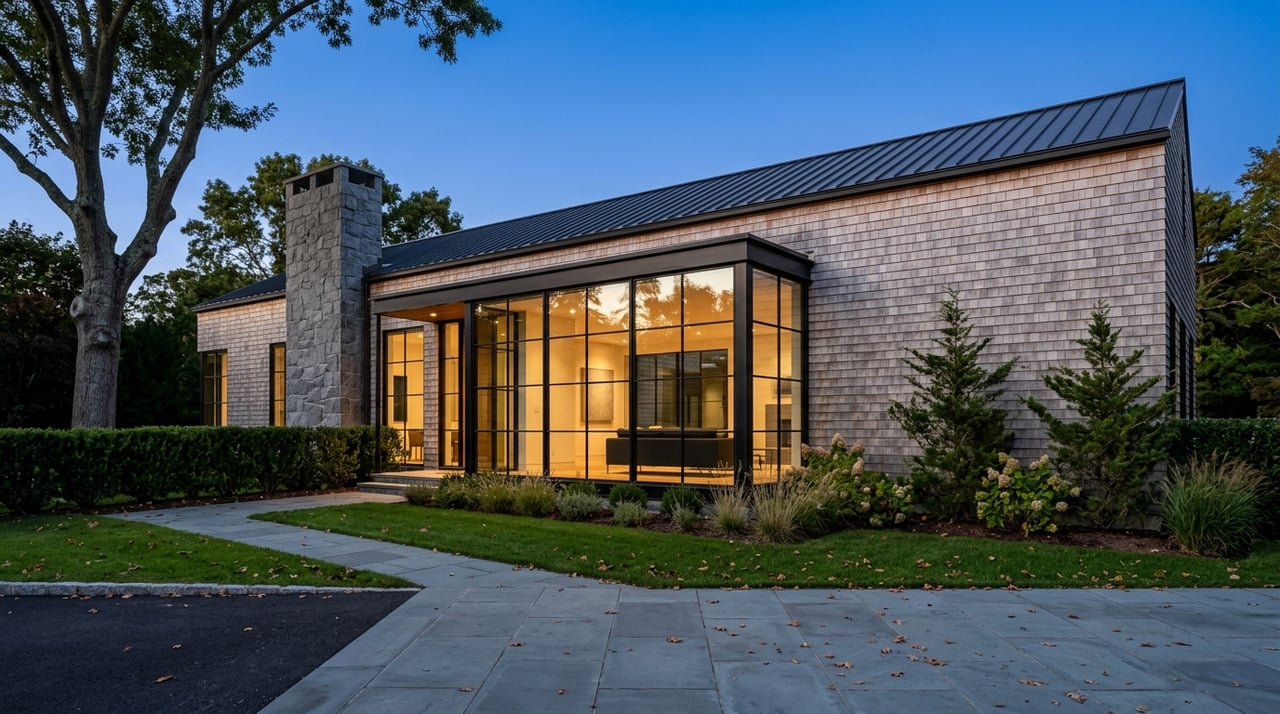
Looking for luxury in the Hamptons, but not the kind that needs to announce itself? In Sagaponack, the appeal is often quieter, more restrained, and more tied to land, privacy, and design than spectacle. If you are trying to understand what sets this village apart, this guide will show you how quiet luxury takes shape here and what that means if you are thinking about buying, selling, or renting in the area. Let’s dive in.
Quiet luxury starts with the setting
Sagaponack is a small incorporated village in Suffolk County within the Town of Southampton, set between Bridgehampton and Wainscott. The village covers about 4.56 square miles and has roughly 350 year-round residents, along with more than 1,000 part-time residents.
That scale matters. Sagaponack does not revolve around a bustling downtown or a heavy retail scene. Instead, the experience is shaped by open land, coastal access, and a strong sense of privacy.
The landscape does much of the talking
One of the clearest signs of quiet luxury in Sagaponack is that the surroundings often take center stage. Village history and land use policy place real emphasis on preserving agriculture, open space, and a nearly pristine landscape.
That creates a different kind of prestige. Rather than density or constant activity, Sagaponack offers breathing room, long views, and a setting where homes tend to sit within the land instead of competing with it.
A rural feel is part of the value
Even small commercial features are handled carefully. Farm stands are allowed, but village rules regulate their size, signs, setbacks, and seasonal use.
That helps explain why Sagaponack feels understated rather than built up. The result is a village atmosphere that stays rural in character, even during the busier parts of the year.
Beach access is part of daily life
Sagaponack’s coastal identity is real, but it is also managed. The village uses permit-only parking areas from May 15 through September 15, and Sagg Main Beach is listed by the Town of Southampton among locations using its daily parking app.
For you as a buyer or owner, that means beach access is part of the lifestyle, but not in a high-traffic, anything-goes way. It reflects the village’s broader pattern of preserving access while controlling impact.
Quiet luxury here is architectural
In Sagaponack, luxury is not just about square footage or finishes. It is also about how a home relates to the road, the landscape, and neighboring properties.
The village’s Architectural & Historic Review Board, along with local code, requires exterior design to complement terrain, surrounding structures, landscape, and the scenic character of the road. That is one of the strongest official expressions of quiet luxury you will find anywhere in the Hamptons.
The look is classic, not loud
Village materials and meeting minutes point to recurring architectural references such as shingle style, Greek Revival, Colonial Revival, and Victorian forms. In one 2018 discussion, shingle style was described as part of the iconic original summer-house language of the East End.
In practical terms, that often supports homes with restrained massing, wood or shingle exteriors, farmhouse or barn-influenced forms, and landscaping that softens the house. The visual message is usually calm, rooted, and deliberate.
Gates and fences tell the story too
A revealing detail is the village’s gate style guide. It states that gates should not become visual barriers or signals of exclusivity.
That says a lot about local expectations. In Sagaponack, privacy matters, but the ideal presentation is open and composed rather than defensive or imposing.
Privacy is protected by design
Many luxury buyers say they want privacy, but in Sagaponack, privacy is not just a preference. It is reinforced through local rules that shape how properties are used and experienced.
The village lighting chapter is a good example. Its purpose includes reducing glare and light trespass, preserving rural character, protecting the night sky, and reducing privacy impacts from excessive exterior lighting.
Screening is meant to feel soft
Fence and gate rules support the same approach. Fences over four feet generally require permits, ornamental buffering is expected in some situations, and driveway gates are prohibited on several historic-district road segments.
This creates a softer visual environment. You get screening and separation, but not a streetscape defined by hard walls and fortress-style entries.
Coastal protections shape ownership
Sagaponack’s low-impact ethic also extends to beaches and dunes. The village’s coastal erosion code limits development in dune and bluff areas, favors narrow noncommercial accessways, and requires disturbed vegetation to be replanted with beach grass or other native plantings.
For property owners, this means the setting is carefully protected. It also means ownership here comes with an expectation of stewardship, not just enjoyment.
The lifestyle is seasonal, but not performative
A lot of Hamptons coverage focuses on scene and visibility. Sagaponack offers something different. The lifestyle here tends to center on home, beach, vineyard, garden, and the broader South Fork network rather than on a concentrated village commercial strip.
That distinction is important if you are comparing different Hamptons locations. Sagaponack feels more distilled and more residential, with much of its appeal tied to how you live on the property itself.
Culture shows up in a low-key way
Wölffer Estate Vineyard is one of the clearest local hospitality destinations, with its 55-acre vineyard, tasting room, small bites, wine stand, and private events. Madoo Conservancy adds another layer through historic structures, gardens, exhibitions, classes, and events.
These are not loud attractions. They fit the local rhythm by offering design, landscape, and gathering in a way that feels integrated with the setting.
Village-scale identity still matters
Sagaponack School also contributes to the village feel. Its official site says it is one of the few remaining public one-room schoolhouses in the country and serves Pre-K through third grade.
That detail does not define the market, but it does reflect the scale and continuity that many buyers notice here. Sagaponack often feels personal and rooted, even though it is part of the larger Hamptons ecosystem.
What this means for buyers
If you are buying in Sagaponack, quiet luxury usually means paying attention to more than finishes and amenities. The setting, design compatibility, privacy conditions, and regulatory environment all matter.
A beautiful house in this village is rarely just a standalone object. It is part of a larger visual and environmental context, and that context has a direct effect on long-term enjoyment and value.
Focus on the full ownership picture
When evaluating a property, it helps to look at:
- How the home sits within the landscape
- Whether exterior design aligns with village character
- Lighting, fencing, and gate conditions
- Coastal or dune-related constraints, if applicable
- Seasonal access and parking realities near beach areas
- Rental rules if you plan to use the property seasonally
This is where local guidance becomes especially valuable. In a village this regulated and design-sensitive, details can shape both use and resale.
What this means for sellers
If you are selling in Sagaponack, the strongest positioning often comes from restraint. Buyers drawn to this village are usually responding to privacy, setting, architecture, and the relationship between home and landscape.
That means marketing should highlight what makes the property feel composed and specific to place. Overstated messaging can miss the point, while clear, well-crafted presentation tends to resonate more with the Sagaponack buyer profile.
The story should match the village
For many properties, the right narrative includes:
- Architectural character and materials
- Landscape design and screening
- Connection to open land or coastal setting
- Privacy without visual heaviness
- Access to beach, vineyard, and South Fork destinations
- Compliance features that support smooth ownership
That approach aligns with how discerning buyers often assess Sagaponack. They are not only buying a house. They are buying a version of the Hamptons that feels quieter, more controlled, and more enduring.
Rental owners should understand local rules
Sagaponack’s appeal makes it relevant for seasonal use, but owners need to understand that rentals are regulated locally. The village requires a seasonal rental permit for family-only seasonal rentals between May 15 and September 15.
The rules generally require a minimum 30-day term, allow only two two-week rentals per calendar year, and cap seasonal rentals at 120 days per year. If rental use is part of your ownership plan, those details should be reviewed early.
Why Sagaponack stands apart
What makes Sagaponack special is not just wealth or exclusivity. It is the way local policy, architecture, landscape, and daily life all reinforce the same values: privacy, preservation, calm, and restraint.
That is what quiet luxury looks like here. It is a house that belongs to its setting, a streetscape without visual noise, a night sky protected from glare, and a lifestyle built around beach, gardens, and land rather than constant display.
If you are considering a purchase, sale, or seasonal strategy in Sagaponack, working with an advisor who understands those local nuances can make a meaningful difference. For discreet guidance grounded in South Fork market expertise, schedule a confidential consultation with Dennis Saglam.
FAQs
What does quiet luxury mean in Sagaponack real estate?
- In Sagaponack, quiet luxury usually means privacy, restrained architecture, strong landscape integration, and a low-key lifestyle shaped by open land, beach access, and local preservation rules.
How is Sagaponack different from other Hamptons villages?
- Sagaponack is smaller and less retail-focused than many other Hamptons locations, with a more rural, residential feel shaped by agriculture, coastal access, and design review.
What home styles are common in Sagaponack?
- Village materials and meeting records reference shingle style, Greek Revival, Colonial Revival, and Victorian forms, with an overall preference for homes that complement the landscape and scenic character of the road.
What privacy rules affect Sagaponack properties?
- Local rules address lighting, fences, and gates to reduce glare, limit visual barriers, preserve rural character, and support a softer form of screening and privacy.
What should buyers know about Sagaponack beach access?
- Beach access is an important part of the local lifestyle, but parking is managed seasonally, with permit-only areas from May 15 through September 15 and app-based daily parking at Sagg Main Beach.
What should owners know about Sagaponack seasonal rentals?
- Seasonal rentals are regulated by the village, including permit requirements, a general 30-day minimum term, limits on two-week rentals, and a 120-day annual cap for seasonal rentals.
